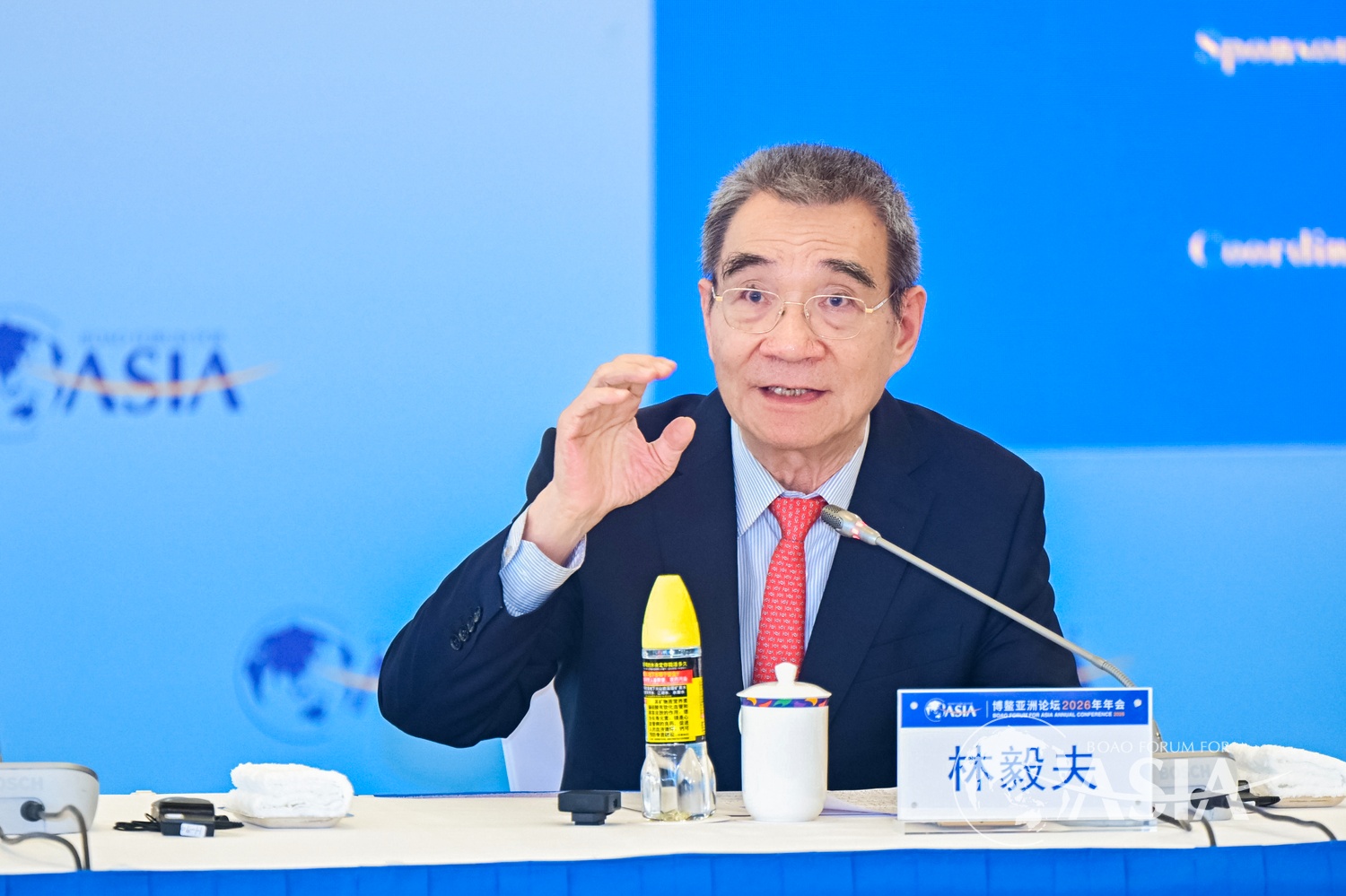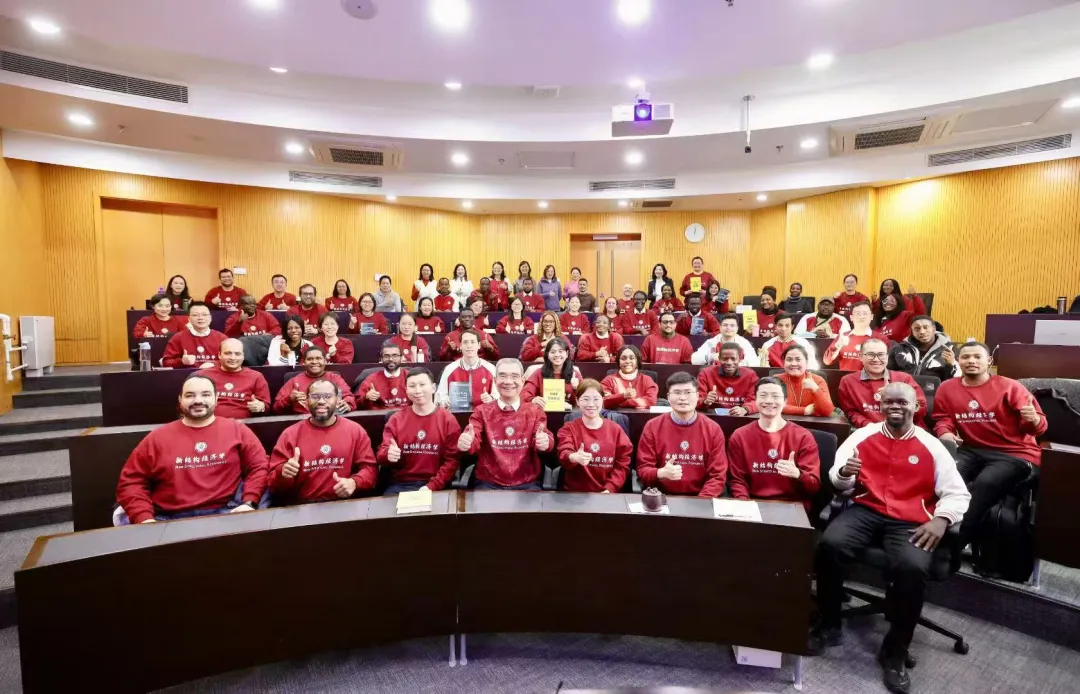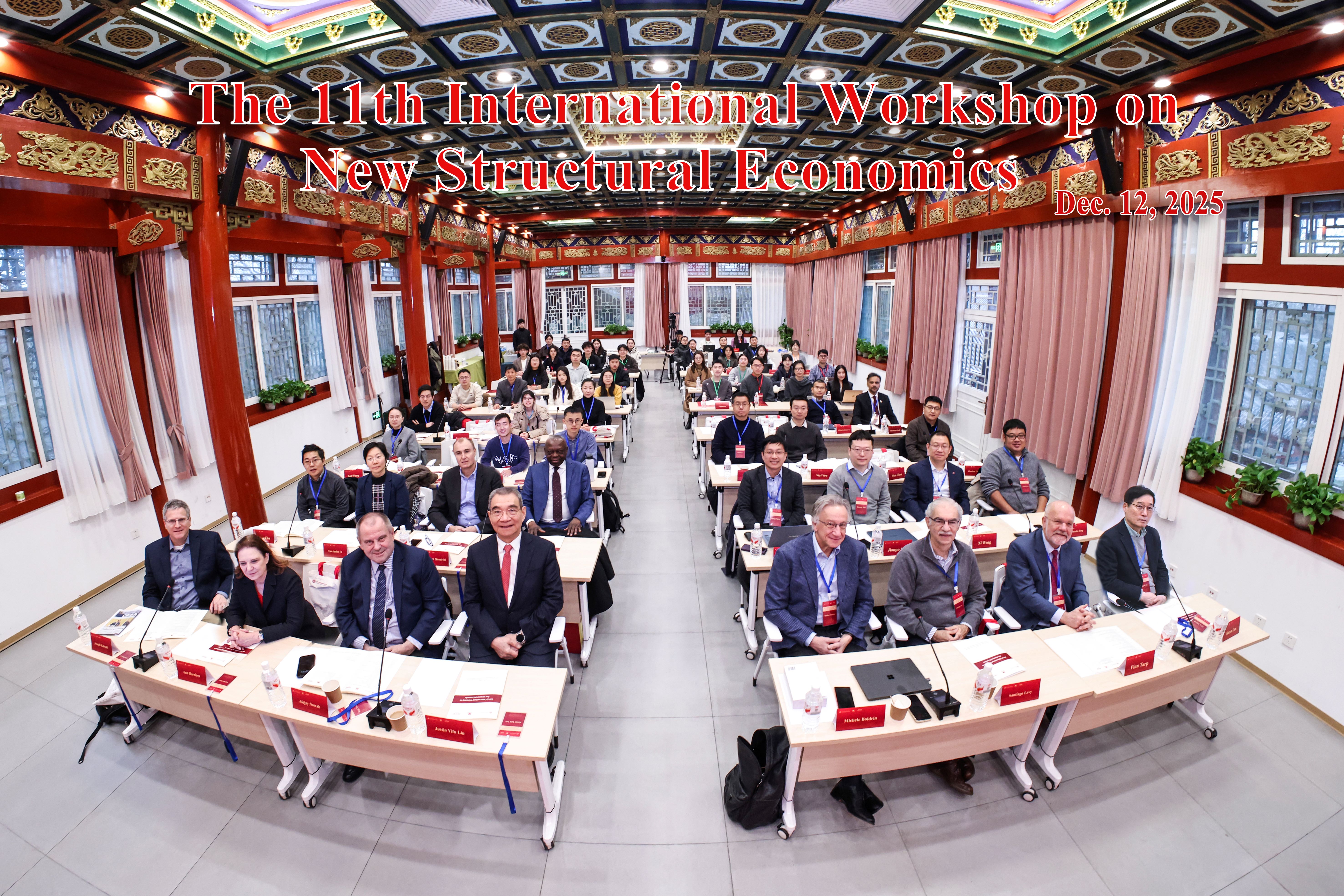

Proposed and championed by Prof. Justin Yifu Lin and his collaborators, NSE is a systematic theoretical framework for studying economic development, transition and operation. Guided by dialectical materialism and historical materialism, NSE applies the neoclassical approach to the study of the determinants of economic structure and its evolution.



-
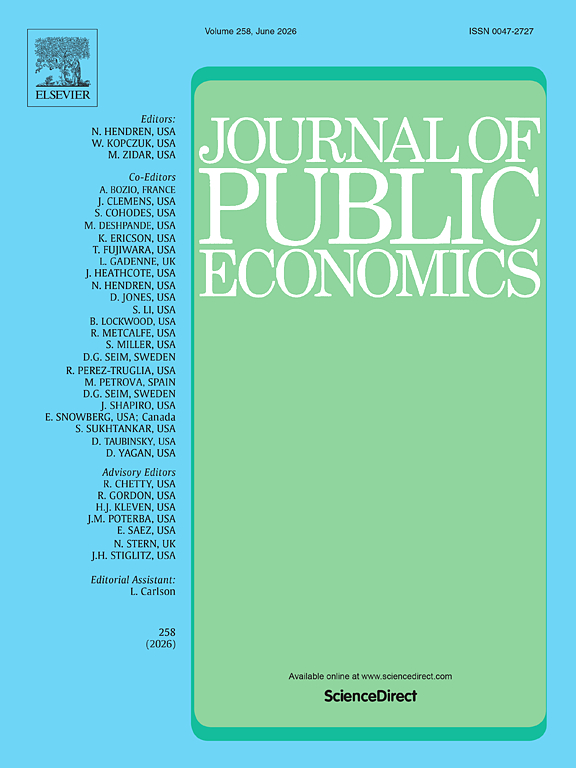
【Journal of Public Economics】A model of China's economic vertical structure
Xi Li, Xuewen Liu, Zhikun Lu, and Yong Wang
Jun 08, 2026
We document a prominent yet underappreciated feature of the post-2000 Chinese economy: a vertical structure in which key upstream industries are dominated by state-owned enterprises (SOEs), while downstream industries are largely open to private competition. We develop a general-equilibrium model to analyze how this vertical structure—interacting with industrialization, globalization, and labor abundance—has shaped the Chinese economy. The framework offers new insights into SOE profitability, structural change, resource misallocation, and economic reform. First, upstream SOEs become more profitable as downstream private firms raise their productivity and face greater external demand during industrialization and globalization, helping explain the unprecedented prosperity of SOEs between 2002 and 2007. Second, reducing upstream market power would facilitate labor reallocation from agriculture to non-agricultural sectors, raising GDP and aggregate welfare. Third, preferential credit subsidies to SOEs can improve welfare by alleviating upstream under-supply; consequently, removing these subsidies without dismantling SOE monopoly power could reduce welfare. Quantitative analyses using firm-level data support the theoretical findings. We further show that this vertical structure can arise endogenously as an equilibrium outcome. -
【Journal of International Economics】Preferential credit policy with sectoral markup heterogeneity
Kaiji Chen, Yuxuan Huang, Xuewen Liu, Zhikun Lu, Yong Wang
Jun 09, 2026
Many emerging economies employ preferential credit policies that target selected sectors. This paper quantifies the implications of such policies for aggregate productivity and welfare. Using Chinese firm-level data from 2009–2020, we first document that sectors with higher markups receive larger credit subsidies and exhibit higher revenue-based productivity. Motivated by these facts, we develop a multi-sector quantitative model with endogenously determined markups and calibrate it to match the distribution of sales both within and across sectors. We find that preferential credit subsidies raise aggregate productivity and welfare by reallocating market shares toward high-markup sectors. These gains persist in an extended framework with endogenous firm entry. -
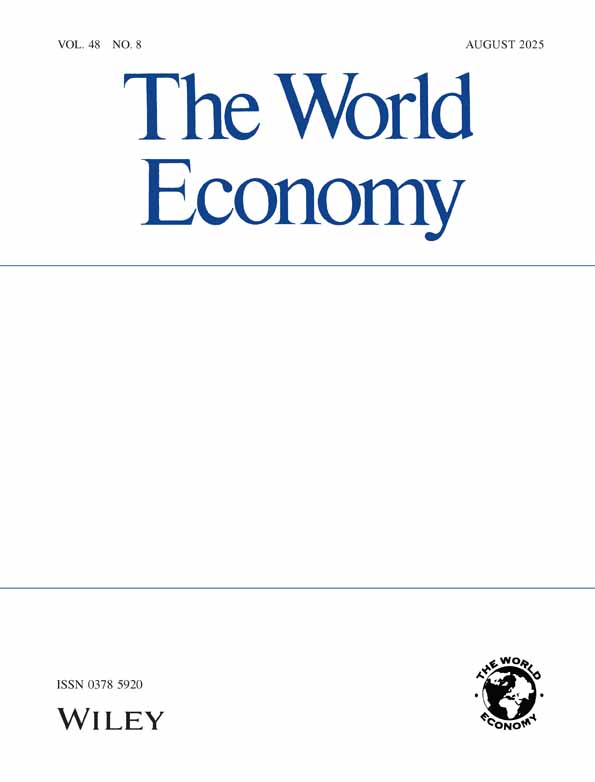
【The World Economy】Development Strategy and International Capital Flows
Justin Yifu Lin, Xin Wang
Sep 15, 2025
Although the “Lucas Paradox” has sparked extensive literature on the determinants of international capital flows between developed countries and developing countries, few papers have captured substantial private capital inflows to emerging economies with good economic performance. In this paper, we develop a model where countries differ in their factor endowments and governments' development strategies. If the government in a labour-abundant country, influenced by inappropriate development ideas, employs policy interventions to favour the development of the capital-intensive sector, the economic performance will be poor and capital return will be repressed. As a result, capital outflow will occur. We test the theory using comprehensive data with a novel measure of distortions caused by development strategy. Our results show that a reduction in strategy distortions significantly increases capital inflows. In addition, the Lucas Paradox arises only when developing countries implement highly distorted development strategies, and the threshold above which GDP per capita is significantly positively correlated with capital inflows is close to the average extent of policy distortions in some faster-growing developing countries since the 1990s. -
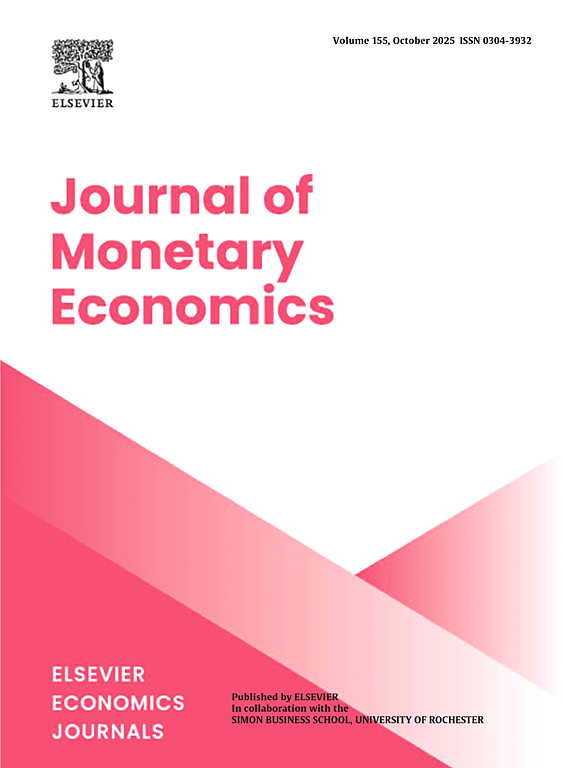
【Journal of Monetary Economics】A Theory of the Dynamics of Factor Shares
M. Boldrin, D. K. Levine, Y. Wang, L. Zhu
Jul 04, 2024
This paper proposes a theory of the dynamics of factor shares within the context of an equilibrium model of endogenous innovation, growth, and cycles. Our deterministic model rests on two assumptions: (i) production requires two complementary inputs, capital, and labor, and (ii) technical progress is labor-saving and embodied in capital goods. The model’s unique equilibrium path displays recurring growth cycles, each consisting of an adoption and innovation phase, along which factor shares fluctuate within bounds. The interaction between factor prices and opportunities for labor-saving innovations brings about both persistent growth and aggregate oscillations through which it takes place. We provide evidence that the model-implied correlations between factor shares and the other labor market variables are consistent with the data. -
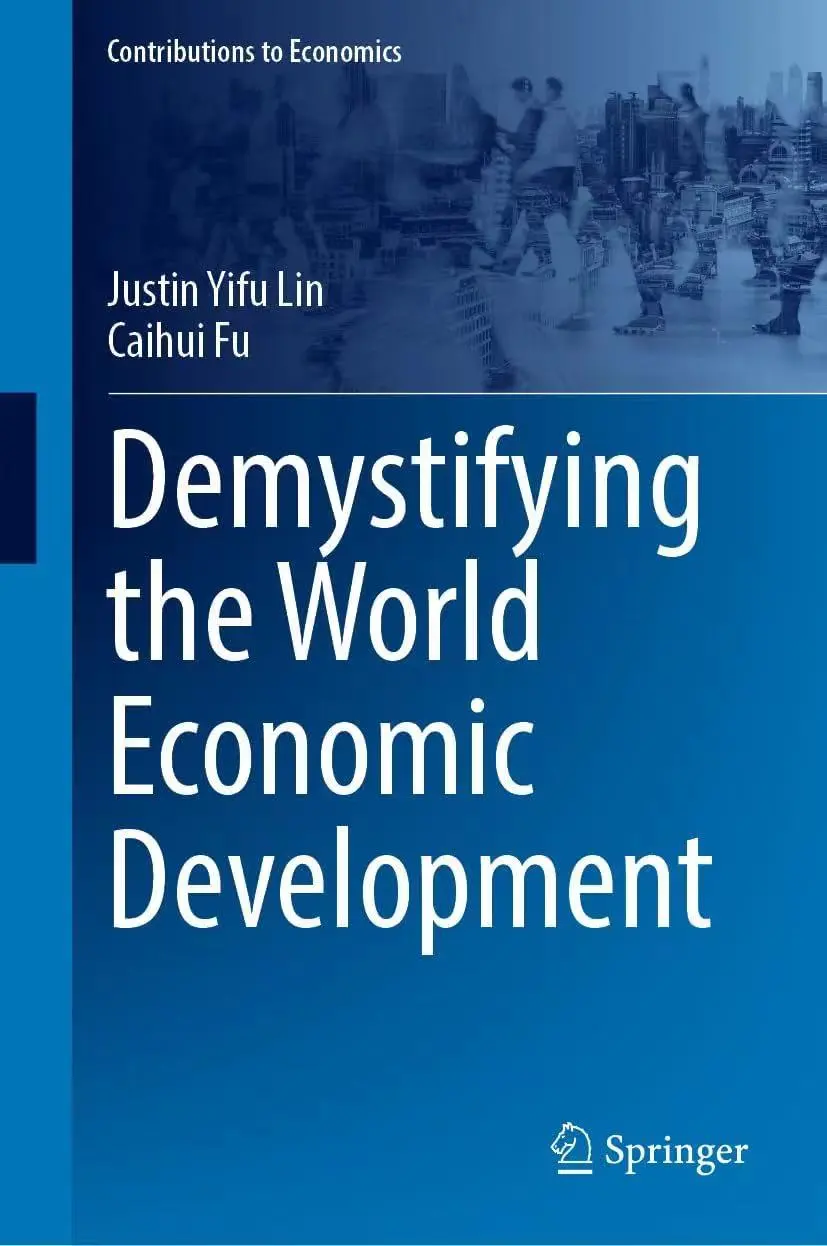
New Publication|Demystifying the World Economic Development
co-authored by Prof. Justin Yifu Lin and Fu Caihui
Jul 04, 2024
Demystifying the World Economic Development, co-authored by Prof. Justin Yifu Lin and Fu Caihui, from the Institute of New Structural Economics (INSE) at Peking University, has been published by Springer as part of the "Contributions to Economics" series. The book serves as a companion volume to Demystifying the Chinese Economy (2009), authored by Justin Yifu Lin. -
【China Economic Journal】China Pakistan Economic Corridor: from Stocktaking to New Structural Economics Driven Strategy
Erfa Iqbal and Yong Wang
Jun 09, 2026
This paper assesses whether the China – Pakistan Economic Corridor (CPEC) makes economic sense for Pakistan, the extent of its progress, and how its developmental benefits can be maximized. Using a mixed-methods approach – including primary document analysis, 30 field visits in China and Pakistan, 144 interviews, and a survey of 209 respondents – it examines the structural reasons behind the slow industrial take-off of CPEC's Special Economic Zones. Applying the Growth Identification and Facilitation Framework of New Structural Economics, the study finds that while CPEC has delivered significant gains in energy and infrastruc ture connectivity, Pakistan has yet to fully leverage its comparative advantages. China emerges as an effective lead country whose experience can support Pakistan's industrial upgrading. The paper argues that Pakistan must reorient CPEC toward sectoral prioritiza tion, targeted industrial collaboration, and better alignment with its factor endowments to achieve sustained structural transformation.
-
Chinese modernization promotes harmony between humanity and nature, shared benefits: Justin Yifu LinJul 29, 2026Harmony between humanity and nature, as proposed in the report to the 20th National Congress of the Communist Party of China, constitutes an important dimension of advancing the great rejuvenation of the Chinese nation through Chinese modernization. Chinese modernization is a form of modernization that shares commonalities with the modernization achieved by the West since the Industrial Revolution, namely, rising incomes for people, greater material prosperity, and longer life expectancy.Learn more

-
WorldViews in dialogue with Profs. Jason Furman and Justin Yifu LinMay 25, 2026WorldViews in dialogue with Profs. Jason Furman and Justin Yifu LinLearn more
-
China's development to empower Global SouthApr 30, 2026China's economic growth experience, rooted in a path that aligns with its own conditions and comparative advantages, provides Global South countries with a valuable option and strengthens their confidence in pursuing modernizationLearn more
-
China has advantages to achieve its 2026 GDP growth target, remaining the most stable engine driving global economy: Justin Lin YifuMar 17, 2026China's GDP growth target of 4.5-5 percent is realistic and achievable, as the economy has significant advantages in multiple aspects, Justin Lin Yifu, a member of the 14th National Committee of the Chinese People's Political Consultative Conference (CPPCC) and dean of the Institute of New Structural Economics at Peking University, told the Global Times in a recent interview.Learn more
-
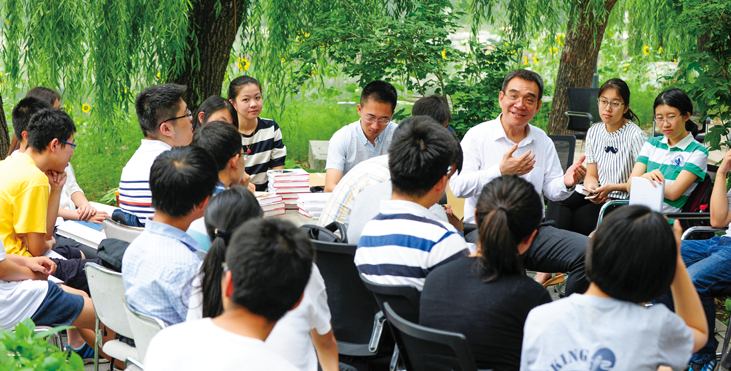
Undergraduate Program
 more+The “PKU NSE Undergraduate Experimental Class” (the “Justin Yifu Lin Class”) is jointly established by the School of Economics and the Institute of New Structural Economics (IN...
 -
PhD Programmore+In 2018, the Institute of New Structural Economics (INSE) at Peking University launched its PhD program in Economics. Each year, outstanding undergraduate students are selected...
-
Open Source Software Policy in Industry Equilibrium
 Time: 10:00 am - 11:30 am, Aug 24th, 2026
  Speaker: Jeff Gortmaker
 Venue: Zhifuxuan Classroom, Langrun Garden, Peking UniversityLearn more
 -
The Household Impact of Generative AI: Evidence from Internet Browsing BehaviorTime: 10:00 am - 11:30 am, July 3rd, 2026 Speaker: Miao Ben ZhangVenue: Zhifuxuan Classroom, Langrun Garden, Peking UniversityLearn more
-
Information, Match Quality, and Priority Rules in Student-School Assignment: A Progress ReportTime: 3:00 pm - 4:30 pm, June 30th, 2026 Speaker: Chao FuVenue: Zhifuxuan Classroom, Langrun Garden, Peking UniversityLearn more
-
Export Costs of National (In)securityTime: 10:00 am - 11:30 am, June 26th, 2026 Speaker: Jingting FanVenue: Zhifuxuan Classroom, Langrun Garden, Peking UniversityLearn more
-
Measuring Geopolitical Alignment and Economic GrowthTime: 10:00 am - 11:30 am, June 5th, 2026 Speaker: Tianyu FanVenue: Zhifuxuan Classroom, Langrun Garden, Peking UniversityLearn more
-
The Anatomy of Chinese Innovation: Insights on Patent Quality and OwnershipTime: 10:00 am - 11:30 am, May 29th, 2026 Speaker: Loren BrandtVenue: Zhifuxuan Classroom, Langrun Garden, Peking UniversityLearn more
-
Transition to Green Technology along the Supply ChainTime: 10:00 am - 11:30 am, May 22th, 2026 Speaker: David HémousVenue: Zhifuxuan Classroom, Langrun Garden, Peking UniversityLearn more
-
Economic Rationale of Environmental RollbacksTime: 10:00 am - 11:30 am, May 11th, 2026 Speaker: Erica ChuangVenue: Zhifuxuan Classroom, Langrun Garden, Peking UniversityLearn more
-
Returns to Scale and Structural TransformationTime: 10:00 am - 11:30 am, Apr. 17th, 2026 Speaker: Guo KaimingVenue: Zhifuxuan Classroom, Langrun Garden, Peking UniversityLearn more
-
Treasury Premia, Interest Rates, and Exchange Rate DynaTime: 10:00 am - 11:30 am, Apr. 10th, 2026 Speaker: Kul LuintelVenue: Zhifuxuan Classroom, Langrun Garden, Peking UniversityLearn more
-
Matching in Vertical Markets: Evidence from the Digital Advertising IndustryTime: 10:00 am - 11:30 am, Apr. 8th, 2026 Speaker: Francesco DecarolisVenue: Zhifuxuan Classroom, Langrun Garden, Peking UniversityLearn more
-
Who Gains, Where They Spend, and the Aggregate Multiplier of Asset PricesTime: 10:00 am - 11:30 am, Apr. 1st, 2026 Speaker: Jianhuan XuVenue: Zhifuxuan Classroom, Langrun Garden, Peking UniversityLearn more